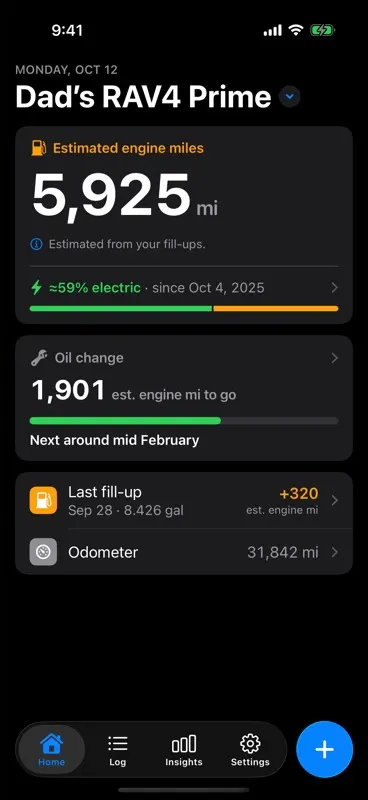
 EngineMiles
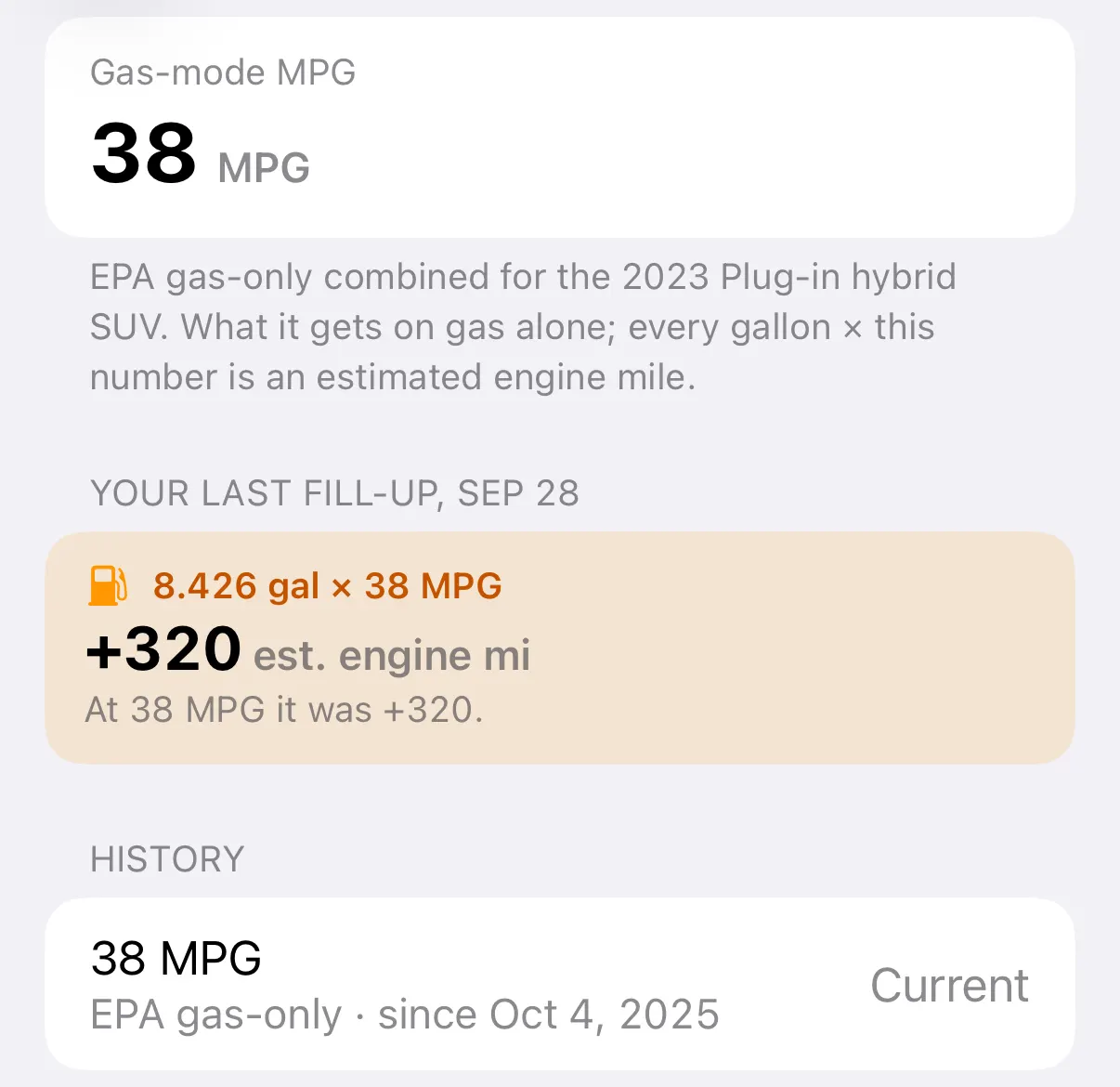
To track Outlander PHEV engine miles, first check the history available for your exact vehicle. Keep recorded distance separate from remaining EV range. If you use a fuel log, consumed fuel × gasoline-mode MPG gives an estimate—not a measurement of the distance or hours the engine actually ran.
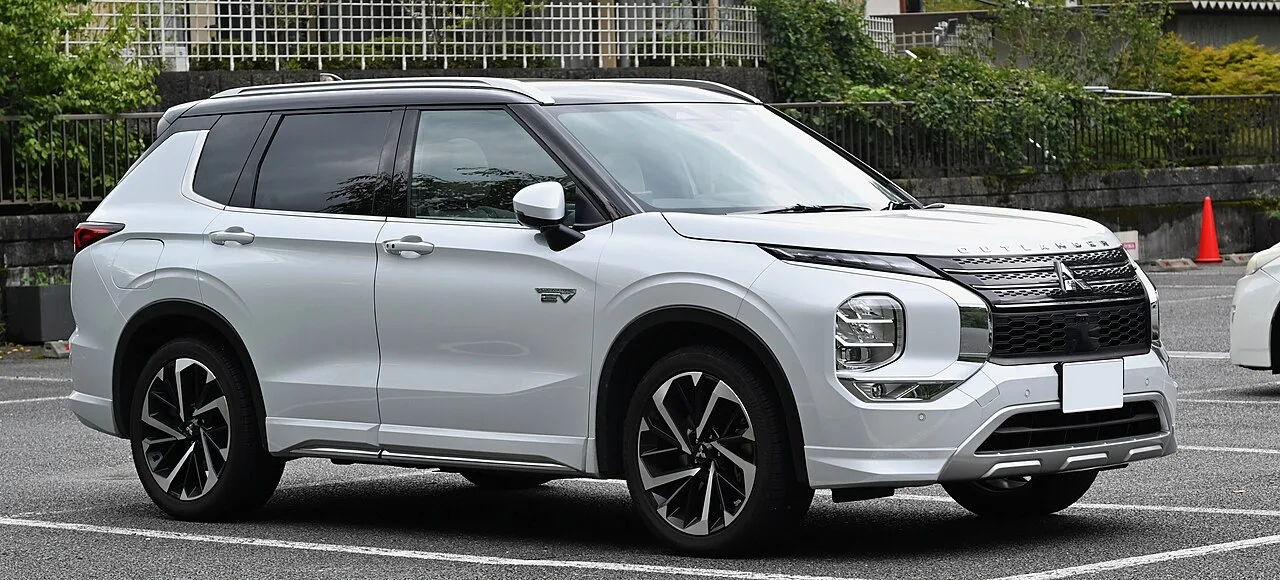
Fourth-generation Outlander PHEV, Japanese-market P trim. Equipment and displays vary by year and market.
TTTNIS / Wikimedia Commons / CC0 1.0. Resized and converted to WebP; photo remains under the linked license.
Electric motors turning does not always mean the engine is off
Mitsubishi describes three operating modes: EV, series hybrid, and parallel hybrid. In series operation, the engine generates electricity for the electric drive system; in parallel operation, it helps propel the vehicle mechanically. See Mitsubishi’s explanation of the Outlander PHEV system.
That creates three different questions: how far the car traveled, how much gasoline it used, and how long or how far it traveled with the engine running. One number cannot answer all three. A fuel-based engine-mile estimate gives the gasoline you consumed a distance equivalent under a stated fuel-economy assumption.
Check the dashboard and Mitsubishi Connect first
For a connected vehicle, Mitsubishi’s Mileage Tracker instructions describe drive history with distance and driving time. The US quick-start guide also separates Mileage Tracker from EV range and charging history. These instructions do not describe that mileage total as a lifetime engine-only odometer.
Available screens and history periods vary with the vehicle and service. Use your model year and market’s instructions, then note the exact label, date range, and reset behavior of any reading you save. A forecast of how far the battery can take you is not a record of miles already driven.
Owners have asked about recovering the electric/petrol split on a used Outlander. That is a useful question, but a current trip percentage cannot reconstruct years of driving before you owned it.
Work through a petrol-mile estimate
Suppose your completed full-to-full interval uses 8 US gallons and you choose an illustrative gasoline-mode assumption of 26 US MPG:
8 US gal × 26 US MPG ≈ 208 estimated engine miles
The 26 MPG input is a worked-example assumption, not a rating for every Outlander. Find the gasoline-operation figure for your exact year and version using FuelEconomy.gov or your market’s official vehicle data. MPGe and an overall MPG average that includes plugged-in driving answer different questions.
Using 24 MPG instead would give 192 estimated miles; using 28 would give 224. That spread makes the assumption visible. Try your own inputs in the free calculator, which also supports imperial gallons and liters.
Build a record you can keep using
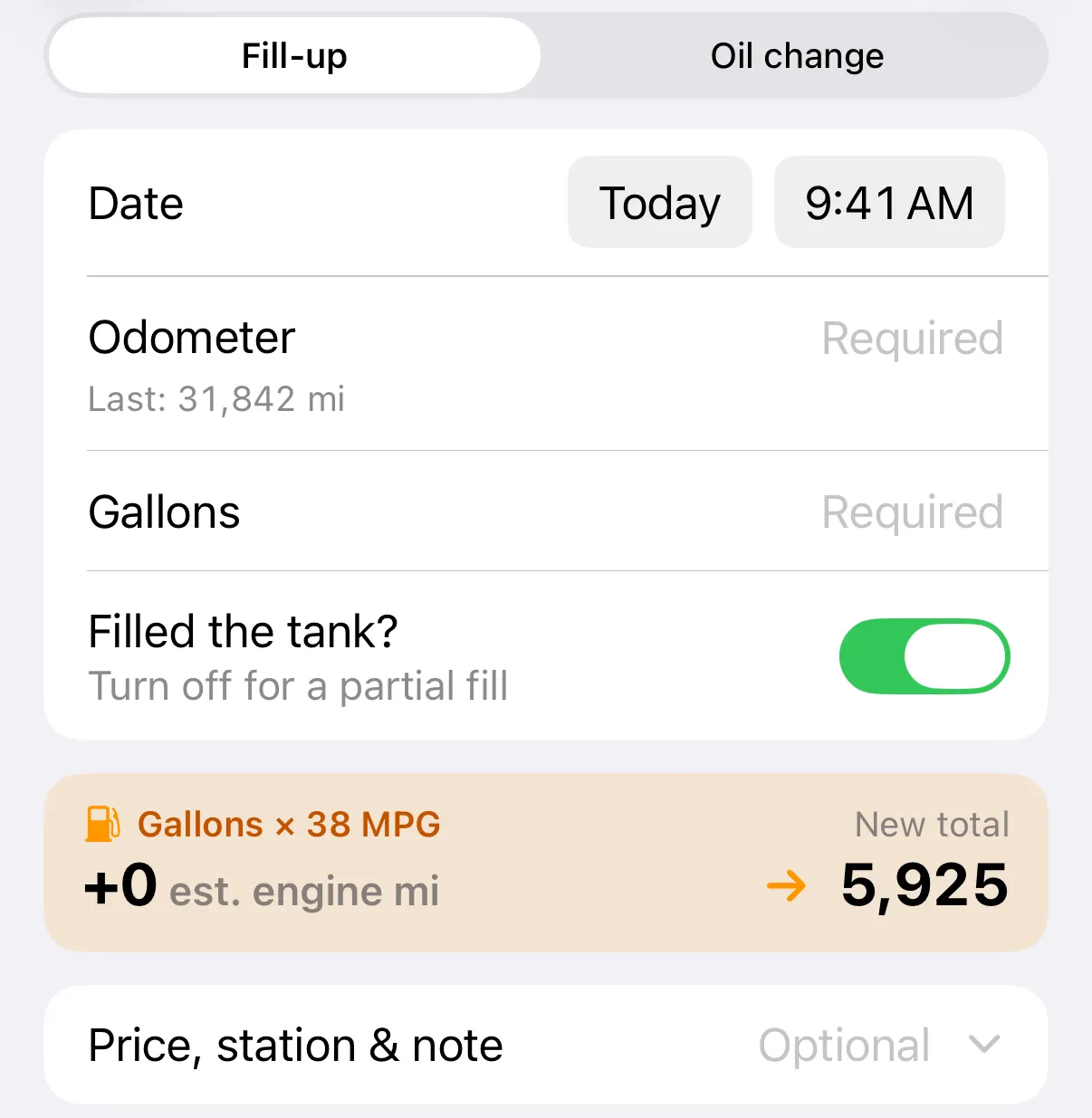
- Begin at a full tank. Save the date and odometer. This first fill establishes the baseline; it is not fuel consumed since that baseline.
- Keep every later receipt. Include partial fills, then close the interval when you refill to full. Add the fuel bought after the baseline through that closing fill.
- Keep one consistent assumption. Record the gas-mode MPG or L/100 km and its source. Note unusual use, such as extensive idling or engine-driven charging.
- Preserve the distinction. Save actual odometer distance separately from the fuel estimate. If your estimate exceeds the interval’s total distance, review the input and conditions rather than reporting negative electric miles.
Common Outlander PHEV questions
Can EngineMiles recover the engine mileage from before I bought the car?
No. Missing historical records remain unknown. Start an estimate from a documented baseline; do not present a new fuel log as the vehicle’s measured lifetime engine mileage.
Does the app connect to Mitsubishi or read the car’s sensors?
EngineMiles uses the fill-ups and fuel-economy assumption you enter manually. It does not import Mitsubishi Connect data or measure engine-on time.
Can I use this to delay an oil change?
Follow the maintenance requirements for your Outlander, including time limits. Your fuel history provides context; an estimate cannot determine oil condition. Read the maintenance-record guide.